You just landed in Naples, can you smell this scent?. It’s the scent of sfogliatelle, the queens of Neapolitan pastry.
Two different yet inseparable sisters—riccia (curly pastry) and frolla (short pastry)—that reveal the entire history and soul of the city in a single bite.

Their origins are ancient and somewhat mysterious. They were born in the 18th century, within the walls of a convent on the Amalfi Coast, when a nun decided to mix leftover semolina, milk, and sugar with candied fruit and spices.
That recipe became a small sweet miracle: the sfogliatella Santa Rosa.
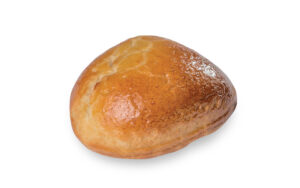
From there, the dessert arrived in Naples, where the city, with its talent for transformation, gave it two new identities. The riccia (curly pastry), a fan of very thin pastry that opens into a hundred crispy layers; the frolla (short pastry), softer and more enveloping, enclosed in a golden, crumbly shell. The same fragrant filling, two textures that touch like two ways of being Neapolitan: one exuberant and crunchy, the other delicate and reassuring.
Tasting a sfogliatella is a ritual.
In historic cafés and pastry shops—from Attanasio to Scaturchio, from Pintauro to the small bakeries of Spaccanapoli—they’re served hot, fresh from the oven, with a dusting of powdered sugar that whitens fingers and brings a smile to anyone who bites into them. The filling, made with ricotta, semolina, sugar, vanilla, and candied orange peel, melts slowly and releases a gentle sweetness that’s never cloying. The perfect pairing? A piping hot coffee—bitter, bold—that enhances the citrus flavor and balances the softness of the filling.
In Naples, the sfogliatella isn’t just a dessert: it’s a statement of identity. It’s the city’s way of saying “good morning” or “welcome back.” It’s the symbol of an art that combines patience and passion, technique and instinct, aroma and heart.
If you’re in the city, follow the aroma: from Via Toledo to Piazza Garibaldi, every corner holds a bakery that tells this story. Order a riccia and a frolla, sit down, close your eyes, and taste them one after the other. You’ll discover that, as often happens in Naples, differences don’t divide—they make everything more authentic, more alive, more delicious.